


Kratom Addiction Treatment & Stabilization
Specialized clinical care for Kratom Use Disorder (KUD). Safely manage withdrawal and reclaim your life at our premier recovery centers.
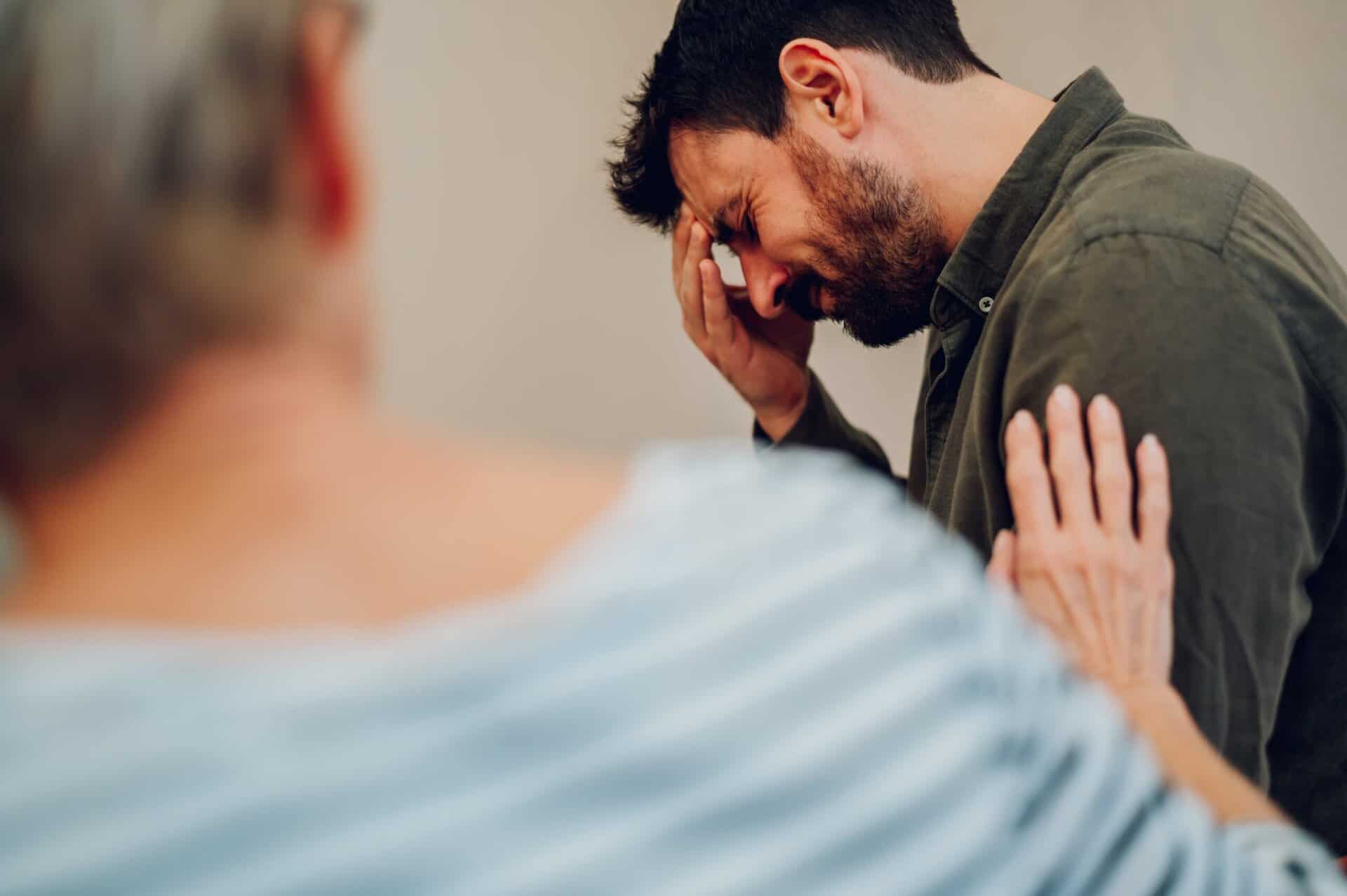
The hidden danger of “natural” dependency
What is Kratom Addiction? Understanding the Risks
Kratom is a tropical botanical from Southeast Asia that contains active alkaloids, primarily mitragynine and 7-hydroxymitragynine (7-OH), which interact with the brain’s mu-opioid receptors. In small amounts, it can act as a stimulant; however, in larger or more frequent doses, it produces sedative, opioid-like effects.
The danger of Kratom lies in its accessibility and the false perception that it is harmless. As of early 2026, SAMHSA reports that nearly 1.7 million Americans use Kratom annually, many of whom are unaware of its addictive potential. Because it is largely unregulated, many users unknowingly consume high-potency extracts. Recent clinical findings highlighted by the Texas Department of State Health Services (DSHS) suggests that concentrated 7-OH can be up to 13 times more potent than morphine, significantly increasing the risk of respiratory depression and severe dependency. Over time, the brain’s chemistry recalibrates to these alkaloids, leading to a state where the body cannot function normally without the substance.
At ACN, we don’t treat Kratom use as a minor habit, we treat it as a Substance Use Disorder that requires professional medical intervention.
Identifying the shift from supplement to substance use disorder
Recognizing the Signs & Symptoms of Kratom Dependency
Because Kratom is often marketed as a “wellness” product, the transition into addiction can be subtle. Many users do not realize they have developed a physical dependency until they attempt to skip a dose and experience a sudden onset of “flu-like” symptoms.
Common signs and symptoms of kratom addiction include:
Physical signs
- The "Kratom Wobbles": Dizziness, poor coordination, or involuntary eye tremors
- Gastrointestinal issues: Chronic constipation or severe abdominal cramping
- Skin and weight changes: Rapid weight loss or darkening of the skin on the cheeks
- Sleep disruption: Intense insomnia and persistent restless leg syndrome (RLS)
Emotional signs
- Severe irritability: Sudden "Kratom rage" or outbursts between doses
- Heightened anxiety: Panic attacks and increased baseline stress levels
- Chronic brain fog: Difficulty concentrating and significant memory lapses
- Depressive episodes: Emotional numbness or a loss of interest in hobbies
Behavioral signs
- Dose-driven scheduling: Planning all daily activities around Kratom use
- Financial strain: High spending on expensive extracts, shots, or bulk powders
- Secretive behavior: Hiding the amount and frequency of use from loved ones
- Inability to stop: Failed attempts to taper or quit despite negative consequences
At Adaptive Care Network, we help individuals and families recognize these warning signs early and determine whether professional treatment may be needed. Early intervention can reduce health risks and improve long-term recovery outcomes.
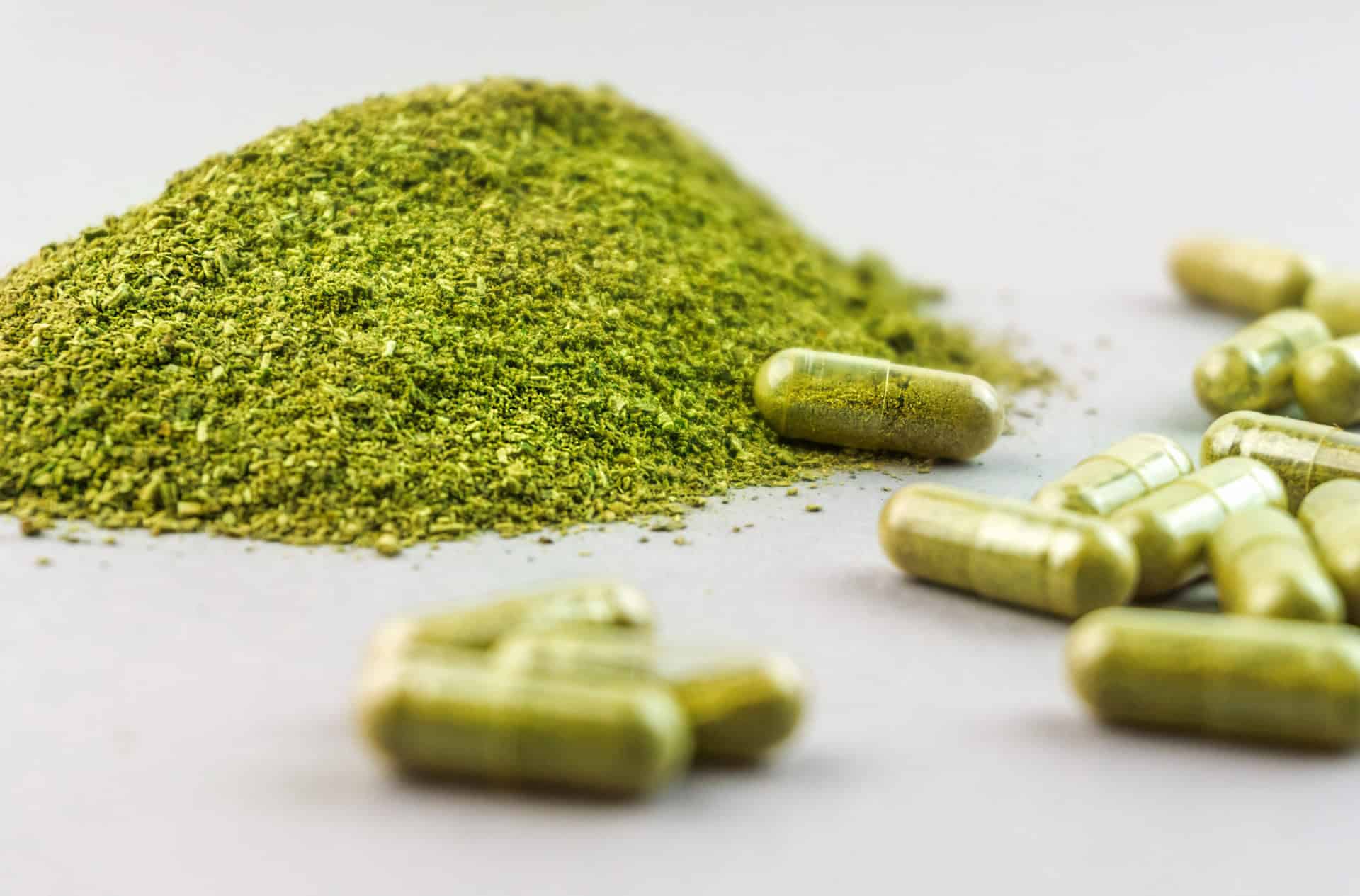
Physical and Psychological Consequences of Cocaine Use
The Impact Of Kratom On The Body And Brain
Kratom’s alkaloids affect the body differently depending on the dosage and duration of use. While the initial effects may feel manageable, chronic use can lead to significant organ stress and neurological changes.
The Immediate Impact
- Stimulant response: Increased heart rate and jitteriness at low doses
- Sedative response: Drowsiness and slowed breathing at high doses
- Digestive distress: Sudden nausea, vomiting, or "dry mouth.
- Neurological shifts: Dizziness, tremors, or brief "blackout" moments
The Systemic Risks
- Liver and kidney stress: Potential for elevated enzymes and renal strain
- Hormonal imbalance: Significant drops in testosterone or thyroid disruption
- Neurological damage: Increased seizure risk and persistent restless legs
- Physical deterioration: Severe weight loss and hair thinning
Confidential Support is Available 24/7
Break the Cycle of Kratom Dependency Today
Don’t let a “natural” habit control your life any longer. Whether you are facing intense withdrawal or are concerned about a loved one, our Kratom specialists are here to help you navigate the path to lasting recovery and help you get the care you need, from medically supervised stabilization to manage the initial crash, residential treatment, or outpatient support. Call today and take the first step toward reclaiming your future.
Safe, medically supervised clearing of the system
Kratom Detox & Withdrawal Management
Kratom withdrawal occurs because the brain’s neurochemistry becomes accustomed to the constant presence of alkaloids like mitragynine. These substances bind to your mu-opioid receptors while simultaneously affecting your serotonin and norepinephrine levels. When you stop use, your central nervous system goes into a state of “hyper-excitability.”
The brain struggles to recalibrate its natural pain-management and mood-regulation systems, resulting in a physical and emotional crash. Because kratom has a unique “multi-receptor” profile, the withdrawal often feels like a combination of opioid flu and a severe stimulant “come-down,” making it exceptionally difficult to manage without professional help.
The Spectrum of Withdrawal Symptoms
Because kratom affects multiple systems in the brain, withdrawal is often more complex than standard opioid cessation. These symptoms can be unpredictable, making professional monitoring essential for comfort and safety.
- Severe restlessness: Intense "restless leg syndrome" (RLS) that prevents sleep and causes physical agitation
- Gastrointestinal distress: Persistent nausea, vomiting, and painful abdominal cramping
- Emotional instability: Sudden onset of "kratom rage," severe anxiety, or depressive episodes
- Neurological tremors: Involuntary muscle shakes and difficulty with physical coordination
- Flu-like malaise: Profuse sweating, chills, and deep muscle or bone aches
Recognizing these symptoms early is the first step in transitioning from the physical ‘crash’ toward a professionally managed recovery.


The Kratom Withdrawal Timeline
While the severity of withdrawal depends on the frequency of use and the potency of the extracts consumed, most users follow a predictable clinical window of four phases:
Onset (Hours 6–12)
Initial cravings, runny nose, and rising muscle tension.
Acute Peak (1–3 Days)
Intense nausea, tremors, and peak Restless Leg Syndrome.
Subacute (4–7 Days)
Physical symptoms begin to fade; fatigue and mood swings persist.
Recovery (2+ Weeks)
Lingering "brain fog," sleep disturbances, and cravings.
At ACN, we provide 24/7 medical oversight to guide you through each of these critical phases.
Why Professional Medical Detox Is Essential
As discussed in previous sections, kratom is not a simple “herbal supplement”, it is a complex substance that affects the brain’s opioid, serotonin, and adrenaline pathways simultaneously. Attempting to quit unsupervised often leads to a severe “rebound effect” where the anxiety or pain you were self-medicating returns with dangerous intensity.
Without medical intervention, the physical strain of withdrawal, such as dehydration from gastrointestinal distress and cardiovascular spikes in heart rate, can lead to serious health complications. At ACN, our medical detox program is designed to prevent these risks while ensuring the highest level of comfort. We guarantee:
Physician-Led Stabilization
Continuous monitoring of vital signs to manage cardiovascular stress, blood pressure, and potential seizure risks.
Targeted Comfort Medications
Clinical protocols specifically designed to neutralize "restless legs," tremors, and the insomnia that often drives relapse.
Nutritional and IV support
Rapid restoration of hydration and essential nutrients to protect liver and kidney function during the clearing process.
Immediate Therapeutic Bridge
Seamlessly transitioning to psychological care the moment you are physically stable to address the underlying "why" of addiction.
Physically clearing the body of kratom is a vital first step, but lasting sobriety requires a comprehensive plan to address the mental and behavioral aspects of addiction.
Structured support from detox to long-term recovery
Comprehensive Kratom Addiction Treatment Programs
Recovery from Kratom Use Disorder (KUD) is not a single event, but a journey that requires different intensities of support at different stages. At ACN, we offer a full continuum of care, ensuring that as you grow stronger and more stable, your treatment adapts to provide the right balance of structure and independence.

Medical Detox
A real foundation providing 24/7 physician supervision. We focus on stabilizing vitals and using targeted medications to stop the restless legs and intense anxiety that often cause early relapse.

Residential Inpatient
An immersive, on-site program in a trigger-free environment. This phase prioritizes intensive individual therapy and nutritional restoration to heal the neurological and physical damage caused by chronic kratom use.

Partial Hospitalization
A high-intensity bridge providing full-time clinical support during the day. Patients participate in 5–6 hours of therapy daily while returning to a supportive living environment at night.

Intensive Outpatient
A flexible schedule focused on maintaining sobriety while returning to work or school. Patients attend therapy several times a week to reinforce relapse prevention and coping skills.

Aftercare
Ongoing weekly therapy and support groups that provide a permanent safety net. This stage focuses on long-term relapse prevention and helping you navigate life after formal treatment.
High-Impact Therapeutic Modalities for Cocaine Addiction
At ACN, we utilize a diverse range of clinical interventions to treat the “whole person” rather than just the physical addiction. Our approach combines traditional behavioral therapies with modern holistic practices to ensure a comprehensive recovery.
Individual Therapy
One-on-one sessions with a licensed clinician provide a private space to process personal triggers and develop a customized relapse prevention plan.
Group Therapy
Facilitated peer sessions foster a sense of community and allow patients to share experiences and coping strategies with others overcoming kratom dependency.
Trauma-informed care
Eye Movement Desensitization and Reprocessing (EMDR) helps patients process past trauma that may have initially driven the need to self-medicate with kratom.
Cognitive Behavioral Therapy
CBT helps patients identify and restructure the negative thought patterns and "automatic" triggers that lead to compulsive kratom use.
Family Therapy
These sessions focus on repairing relationships and educating loved ones on how to provide healthy, boundaries-based support during the recovery process.
Relapse Prevention Planning
We create a custom "exit strategy" to identify triggers and build the skills needed to navigate and stop cravings.
Healing the source of your kratom use
Dual Diagnosis and Kratom Addiction: Treating the "Why"
Many individuals turn to kratom as a “natural” solution for chronic physical pain, debilitating anxiety, or depression. While it may provide temporary relief, it often masks these underlying conditions while creating a physical dependency. At ACN, we believe that if you only treat the addiction without addressing the reason you started using, the risk of relapse remains high.
Our dual diagnosis program provides a comprehensive, integrated approach where we treat your mental health and addiction simultaneously. We utilize non-addictive medical protocols, such as specialized antidepressants, non-narcotic pain management, and stabilization medications, alongside targeted psychological therapies. By healing the source of your distress, we empower you to build a life where kratom is no longer a necessary tool for survival.
What Our Clients Say About Their Experience
Shared By Those Who Trusted Our Care

5.0
5.0Top Rated ServiceVerified by TrustindexTrustindex verified badge is the Universal Symbol of Trust. Only the greatest companies can get the verified badge who has a review score above 4.5, based on customer reviews over the past 12 months. Read morePosted on Google
 Joshua Greene2 days agoThis has been one of the best alcohol and drug rehabilitation programs I’ve attended throughout my 16 years of trying to get sober. With the help, support, and guidance of this program, I have now achieved 5 months sober, one day at a time. The program has helped me slowly and successfully integrate back into the real world while giving me the tools and support I need to continue my recovery. I would wholeheartedly recommend this facility to anyone I love or care about who is struggling with addiction. Marisa was my therapist, and she has continued to help me tremendously week after week. Her guidance, understanding, and support have meant so much to me throughout this process. Charisse, Raff, and Shannon were also incredibly helpful, caring, and supportive. Not only are the facility and therapists amazing, but the housing through New Jersey Sober Living was also tremendously accommodating. Any housing concerns I had were addressed immediately, which gave me an additional sense of stability and comfort during my recovery. I especially want to recognize Oscar, the Housing Director. He truly goes above and beyond and seems to work 24/7 to make sure everyone feels comfortable, safe, and at home. I honestly can’t say enough good things about Oscar. It’s clear that he genuinely cares about the people in the program and makes every effort to ensure everyone’s housing needs and concerns are taken care of. I’m incredibly grateful for the support I’ve received from everyone involved. Five months sober is something I’m very proud of, and I truly believe this program and the people who work here have played a huge part in helping me get to where I am today. Thank you to everyone who has supported me along the way.Posted on Google
 Jill Hunt3 days agoShareese was amazing as well as Brooke and Raff!+0Posted on Google
 jojo king3 days agoGoodPosted on Google
 Jose Calderon4 days agoExcellent facility and the staff also and therapist,I learned a lot I am so happy for thatPosted on Google
 Tyson Whitt14 days agoAmazing medical detox that helped one of my friends when they seemed hopeless.Posted on Google
 Robert Vallario16 days agoThey saved a friend of mine’s life. Highly recommend. Wonderful facility, empathetic and helpful staff. I can’t say enough good things about them.Posted on Google
 Matthew Ward16 days agoAmazing facility. They helped a good friend of mine get his life back on track.Posted on Google
 Case Kegley17 days agoI can’t say enough good things about the detox unit at Huntington Beach Recovery Center. My cousin had been struggling with drug and alcohol abuse for years until he found this place by the grace of God. The level of care they provide is truly outstanding. Their clients receive around-the-clock medical supervision from a team that is not only knowledgeable and professional, but also genuinely empathetic and compassionate. Truly impressive! As a recovering alcoholic, I know detox can be one of the most difficult and vulnerable parts of beginning the recovery process, and having a staff that makes people feel safe, respected, and cared for can make all the difference. My cousin just raves about the team at Huntington Beach Recovery Center and how they went above and beyond to provide such top-notch care and support for him throughout his entire detox process. I would highly recommend Huntington Beach Recovery Center to anyone looking for a safe, supportive, and compassionate environment to begin their journey toward recovery.Posted on Google
 K.O. Star19 days agoI went to this program last year. I was not an ideal patient. I was very angry and emotional in general. I had a lot of trauma and mental health issues that needed to be worked on which my clinician helped me work through. Danielle, the program director, was amazing and really helped me out during some pretty dark days for me there. I appreciate all that you guys do and I'm really grateful for all your help. God bless you guysPosted on Google
 Elizabeth Deakin19 days agoSuch an amazing facility! My brother went to treatment here and had the best experience, I highly recommend this facility for anyone struggling with addiction.

Expert clinical solutions for specialized Kratom Use Disorder recovery
Why Choose Adaptive Care Network for Kratom Addiction Treatment?
Kratom dependency requires a different clinical approach than traditional opioids or alcohol. Because kratom acts on multiple receptors in the brain, the withdrawal and psychological cravings are complex. Across our three luxury rehabs, we have developed a specialized protocol specifically designed to navigate these challenges and ensure a safe, comfortable transition to sobriety.
Kratom-Specific Medical Detox
Our physicians utilize targeted medications to specifically address the unique "skin-crawling" sensations, restless legs, and severe anxiety associated with kratom withdrawal.
Expert Clinical Team
Our therapists are specifically trained in the nuances of Kratom Use Disorder (KUD), helping you navigate the long-term mood fluctuations and fatigue that can occur after the initial detox.
Integrated Dual Diagnosis
We don’t just stop the use; we treat the chronic pain or mental health triggers that led you to kratom in the first place using non-addictive, evidence-based alternatives.
Nationwide Continuum of Care
With multiples luxury locations across the country, we provide a structured step-down process that prevents the "rebound effect" common in early kratom recovery, from detox to aftercare.
Expert answers to your questions
Kratom Addiction FAQ
Is kratom actually addictive?
Yes. While often marketed as a “natural supplement,” kratom interacts with opioid receptors in the brain. Over time, the body develops a physical and psychological dependency, leading to a compulsive need to use despite negative consequences.
What are the symptoms of kratom withdrawal?
Common withdrawal symptoms include intense irritability, severe anxiety, restless leg syndrome (RLS), muscle aches, insomnia, and cold sweats. These symptoms can be physically and mentally exhausting without professional medical support.
How long does kratom detox usually last?
A typical medical detox for kratom lasts between 5 to 10 days. This timeframe allows the alkaloids to clear your system while our medical team manages the most acute phase of withdrawal.
Why can’t I just quit kratom "cold turkey"?
Quitting “cold turkey” often leads to severe psychological distress and physical pain, resulting in a high relapse rate. A professional program ensures safety, comfort, and the clinical support needed to manage underlying triggers.
What is the difference between PHP and IOP for kratom?
PHP (Partial Hospitalization) offers full-day clinical immersion (5–6 hours daily), while IOP (Intensive Outpatient) provides flexible therapy sessions (usually 9–15 hours weekly) to accommodate work or school schedules.
Does ACN treat the chronic pain that led me to use kratom?
Yes. Through our dual diagnosis program, we provide non-addictive pain management alternatives and physical therapy referrals to address the root cause of your discomfort without the risk of opioid-like dependency.
Can kratom cause long-term mental health issues?
Chronic use can lead to emotional blunting, increased depression, and heightened anxiety. Our program focuses on restoring neurological balance and teaching healthy emotional regulation.
Is kratom withdrawal dangerous?
While rarely life-threatening on its own, the severe dehydration and extreme psychological stress it causes can lead to complications. Medical supervision is always recommended to monitor vitals and mental health.
What medications are used during kratom detox?
Our physicians may use a combination of non-addictive medications to stabilize your mood, stop restless legs, and improve sleep, ensuring you stay comfortable throughout the process.
What is the difference between kratom and opioid addiction?
While kratom interacts with the brain’s opioid receptors, it is uniquely complex because it also affects serotonin and norepinephrine pathways. This means kratom withdrawal often involves a “dual-edged” detox process, combining physical opioid-like symptoms with intense, antidepressant-like psychological crashes that require specialized clinical management.
Will my insurance cover kratom addiction treatment?
Most major insurance providers cover treatment for Substance Use Disorders (SUD). We work with many providers to maximize your benefits and minimize out-of-pocket costs. Call us at (888) 499-8088 for a free verification of your benefits today.
Is kratom treatment confidential?
Absolutely. All treatment at ACN is strictly confidential and protected by HIPAA regulations. Your privacy is our highest priority throughout your recovery journey. You can call us anytime at (888) 499-8088 to speak with our admissions specialists about your particular situation.